Gresham College provides outstanding educational talks and videos for the public free of charge. There are over 2,500 videos available on our website. Your support will help us to encourage people's love of learning for many years to come.
What the NHS has provided and had to treat over its existence has changed much more radically than most people realise. Some of this change is rightly the domain of politics, but much is driven in response to changing health needs, improvements in medical science and priorities of society.
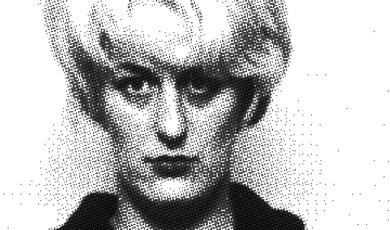
Serial murderer Myra Hindley is often portrayed as an “evil icon”. Her crimes of sadistic murder against children continue to shock. There are few artistic sights so terrifying as the giant portrait of Hindley composed of the handprints of children.
Knife violence is one of the biggest challenges facing our society. Simulation offers a way to involve young people in exploring the consequences of carrying a knife and responding when incidents occur.
The criminalisation of religious speech before the ordinary courts in England began in 1676. Although the law on blasphemy was finally abolished in 2008, many of the troubling aspects of the old law remain in the form of the offence of incitement to religious hatred.
Lymphoma, leukaemia and myeloma arise from different parts of the white blood cell system. Unlike solid tumours, they can be widely distributed in the body, and this means they need a different approach.
Cyberwar is not waged on physical battlefields following rules of engagement. Aggressors worry less about collateral damage, in part because they aren’t forced to confront the sight of an enemy bleeding to death before their eyes.
It is widely accepted that the rising prevalence of obesity is a major threat to current and future health of individuals, the public, and the NHS. Obesity comes from a complex interaction of personal choices, genetics, economics, the food industry, and the environment, among other things.

We hear too often about sudden death in adults following prolonged and often unnecessary police restraint. What do people know about the dangers of restraint and how widespread is our understanding of such deaths?
Clinical practice depends on the acquisition and analysis of evidence - detailed information from each patient’s clinical history, laboratory tests, imaging scans and biopsies. Yet data on its own is not enough, and must always be interpreted in the context of each unique person.