Gresham College provides outstanding educational talks and videos for the public free of charge. There are over 2,500 videos available on our website. Your support will help us to encourage people's love of learning for many years to come.
To mark the 100th anniversary of his birth, the legacy of Nelson Mandela (1918-2013), first president of democratic South Africa, will be considered - both within his country and in the wider world.
South Africa’s Dutch Reformed Church (DRC) and the Afrikaner people it served had, since the 17th century drawn a distinction between white ‘Christians’ and the apparently unconvertible ‘heathen’ peoples around them. Theology legitimised apartheid, but was also instrumental in its end.
George VI was the unexpected king. His human qualities reinforced the spirit of social solidarity which helped Britain to victory in war and recovery in peace.
Edward VIII reigned for just 325 days. The history of his reign is in large part the history of the abdication. However, as Prince of Wales, Edward had been the first heir to the throne to find a genuine role for himself, as a spokesmen for the ex-service generation.

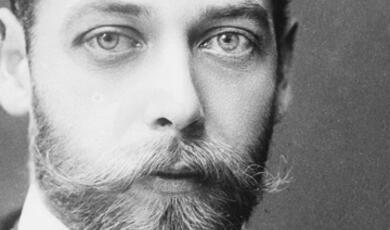
George V’s reign coincided with the fall from power of five emperors, eight kings and eighteen other dynasties. But in Britain the monarchy gained in popular esteem and this helped to preserve parliamentary government in the difficult years between the wars.
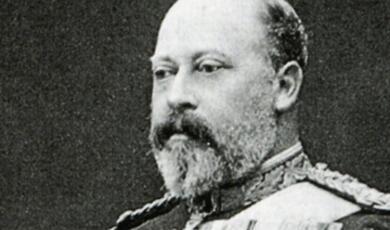
Edward VII had an instinctive understanding of the human side of monarchy. At home he faced a constitutional crisis when the House of Lords rejected the budget in 1909. The crisis remained unresolved at Edward’s death in 1910.