Gresham College provides outstanding educational talks and videos for the public free of charge. There are over 2,500 videos available on our website. Your support will help us to encourage people's love of learning for many years to come.
What the NHS has provided and had to treat over its existence has changed much more radically than most people realise. Some of this change is rightly the domain of politics, but much is driven in response to changing health needs, improvements in medical science and priorities of society.
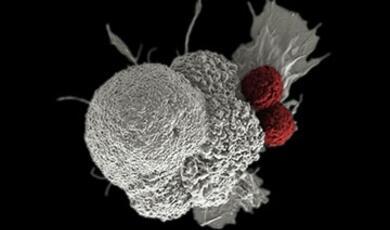
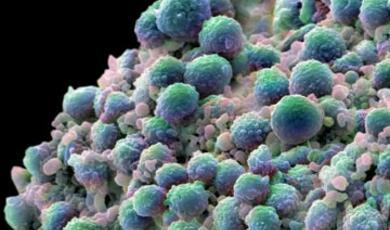
Lymphoma, leukaemia and myeloma arise from different parts of the white blood cell system. Unlike solid tumours, they can be widely distributed in the body, and this means they need a different approach.
Food-related conditions – cancer, heart disease, and strokes – are the leading causes of preventable deaths in the UK. Common wisdom is that health reflects personal choices and will power.
It is widely accepted that the rising prevalence of obesity is a major threat to current and future health of individuals, the public, and the NHS. Obesity comes from a complex interaction of personal choices, genetics, economics, the food industry, and the environment, among other things.
Spying for Queen Elizabeth I was very different from modern-day intelligence services - or was it? This lecture brings together historian Stephen Alford and Sir Richard Dearlove, former head of MI6, and will discuss Tudor spies and the modern-day secret service.
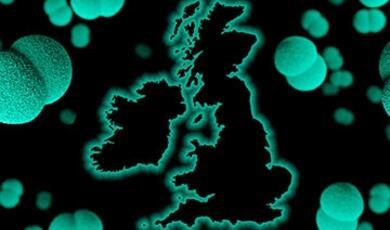
Vaccination has transformed the outlook for many previously lethal infectious diseases. It has, however, caused controversy since its beginnings, even when used for widely feared diseases such as smallpox. For many infectious diseases we do not have a vaccine, and may never get one.

One of the most powerful tools in public health is screening – whether for cancers like cervical or breast cancer, genetic abnormalities, or infectious diseases. Screening can be transformational, detecting disease early and preventing it taking hold.
Ill health has always been concentrated in particular places; tackling these pockets of ill health is an essential role for public health. These may be driven by environmental factors, demography, deprivation and healthcare provision.
The relative role of the State and the individual is a recurring theme of political theory. It is also a practical question in public health – what are the respective responsibilities of government, individuals and healthcare professionals to protect health?