Gresham College provides outstanding educational talks and videos for the public free of charge. There are over 2,500 videos available on our website. Your support will help us to encourage people's love of learning for many years to come.
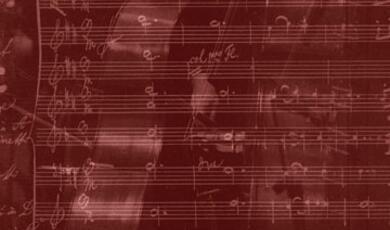
This lecture examines the fascination surrounding works that are left unfinished at their composers’ deaths. It also looks at the urge that certain of us have to complete these uncompleted works, however unwisely and however unbidden.
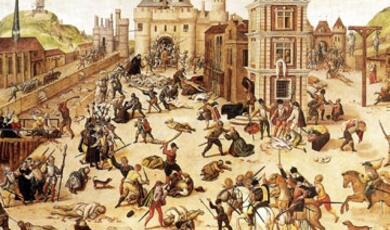
Europe’s Wars of Religion were fought against entire populations, and were punctuated by events remembered as atrocities: such as the siege of Leiden in 1573-4 or, most notoriously, the St Bartholomew’s Day Massacres in France in 1572.
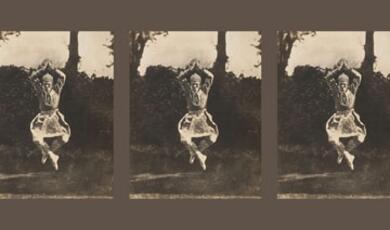
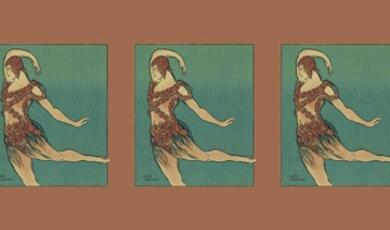
We will trace the musical, visual and choreographical consequences of this new trend through several later Diaghilev ballets: Parade (Satie/Picasso), Chout (Prokofiev/Larionov), Le Pas d’Acier (Prokofiev/Yakulov).
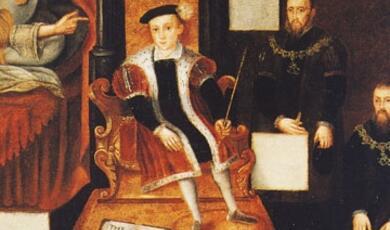
Medieval England was proudly Catholic and ostentatiously loyal to Rome. But from the late sixteenth century until recent times – and even now – anti-Catholic prejudice has been a cornerstone of English and British identity.
Diaghilev found that the Oriental style that had been cultivated by Russian composers was a perfect match for the Parisians’ love of exoticism, and he started to commission new ballets for this market niche.
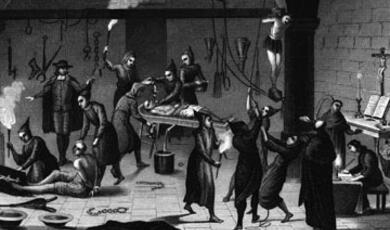
This lecture will survey this ‘black legend’ and ask what made it so enduring – and why some parts of the story, such as the Inquisition’s genocidal campaign against Spanish Jews, received so much less attention than others.


 Login
Login