Gresham College provides outstanding educational talks and videos for the public free of charge. There are over 2,500 videos available on our website. Your support will help us to encourage people's love of learning for many years to come.
Professor Steve Jones will consider sunshine and its effects on health, on sleep, on memory and more: and why today’s twilight world of tablets and smart-phones is taking us back to the middle ages.
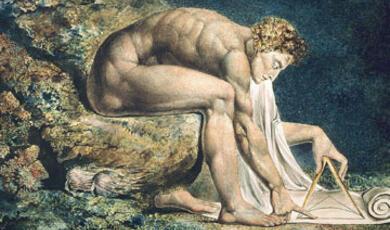
Isaac Newton saw his demonstration of the regularity of the universe as having great religious significance. Newton’s ideas were initially seen as very supportive of religion; yet within 50 years, they were being seen in a very different light.
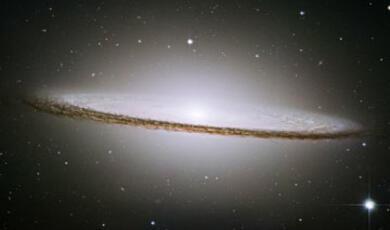
Theories of the multiverse suggest that life-containing universes are incredibly rare. We live in one of these, whether by cosmological natural selection or by the consequences of a theory yet to be formulated.
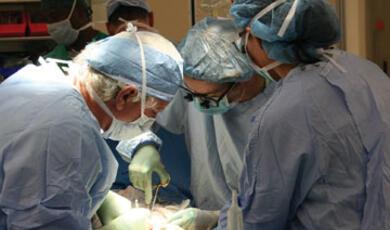
This week marks the 50th anniversary of the first human heart transplant. This talk will celebrate that achievement and consider what we have learned over those 50 years and what is to happen in the future.
What did the sky-watchers of the ancient world think about the night sky, and its implications for human existence? Moving on to the great discoveries of Copernicus, Kepler, and Galileo, we will consider the basic science and ask about the deeper significance of these discoveries.
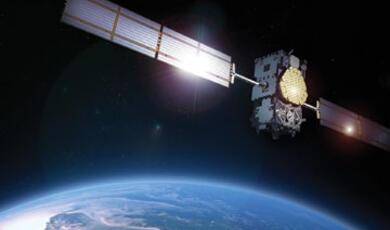
Space science is one of HM Government’s ‘eight great technologies’. In this lecture I will explain the mathematics behind satellites, showing how they are controlled, how they are sent to distant planets and how they transmit and receive data over vast distances.

With a global market approaching £70 billion, there’s a lot at stake. Including some ‘blind taste tests’, the environmental science evidence behind organic farming will be reviewed, exploring facts and debunking a few myths.
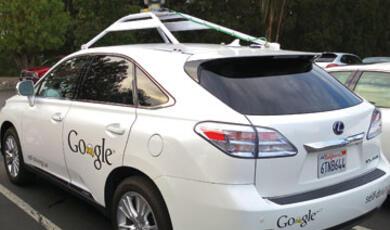
Driverless cars will affect us all profoundly. They will save many lives, destroy many livelihoods and change our behaviour in unexpected ways. What are the barriers to achieving the benefits of this new technology and how can they be overcome?