Gresham College provides outstanding educational talks and videos for the public free of charge. There are over 2,500 videos available on our website. Your support will help us to encourage people's love of learning for many years to come.
After Stalin’s death in 1953, successive leaders tried to find ways to revitalise the Soviet regime and rethink its promises to the Soviet people. Life within a system no longer based on terror and intense industrial transformation offered citizens strange alternatives.
How have the British and American armed forces been taught to fight and kill in conflicts from 1914 to the present? What role have psychology and technology played in military training?
It is well known that Shakespeare lived in an age of monarchy and wrote powerfully in his English history plays about the duties of the sovereign. In this lecture, Jonathan Bate will tell another, forgotten story: of how Shakespeare was also fascinated by Roman political models.

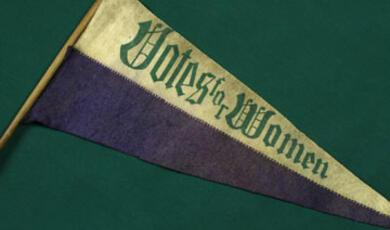
The campaign to achieve the parliamentary vote for women (6 February 1918) took 52 years, from 1866 to 1918. During that time women and their male supporters employed both parliamentary and extra-parliamentary tactics, ranging from the presentation of petitions to the detonation of bombs.
The Labour Party was formed in 1900 as a coalition between trade unions and socialist intellectuals with the aim of securing representation for the working class in parliament.
This lecture uncovers what we know about the ‘real Sappho’, an aristocrat who lived between 630 and 570 BCE on the island of Lesbos and socialised in the lavish courts of upstart tyrants.
The Liberal Party was formed in the 1850s and was the dominant force in British politics for the next 30 years. What is the explanation for the decline and subsequent revival of the party?