Gresham College provides outstanding educational talks and videos for the public free of charge. There are over 2,500 videos available on our website. Your support will help us to encourage people's love of learning for many years to come.
Is science complete in itself, or does it act as a pointer or signpost to matters beyond its boundaries? C.S. Lewis argued that nature bears witness to the existence and nature of God, and developed the idea in works such as 'Miracles' and 'The Chronicles of Narnia.'
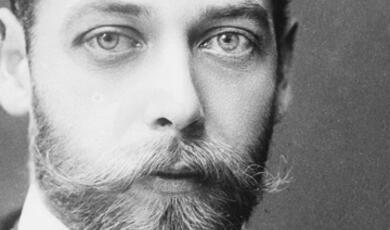
George V’s reign coincided with the fall from power of five emperors, eight kings and eighteen other dynasties. But in Britain the monarchy gained in popular esteem and this helped to preserve parliamentary government in the difficult years between the wars.
How can we find the best explanation of what we observe? Why do human beings enjoy pondering puzzles, such as the meaning of life? We can we learn much from Dorothy L. Sayers, whose detective novels and religious writings saw human beings as searching for 'patterns' in life.
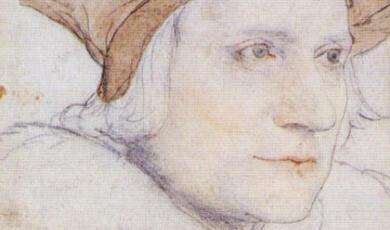
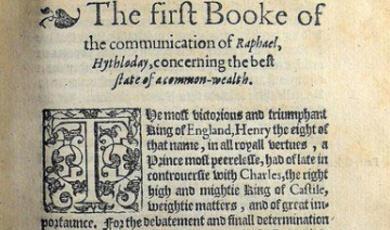
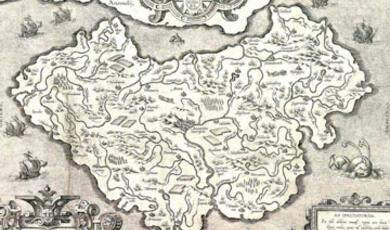
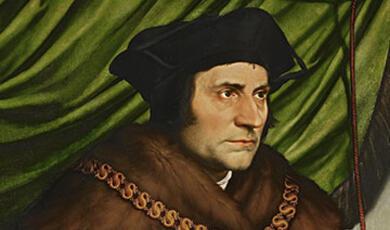
This lecture will explore Utopia’s links both with London and with the civic culture of Renaissance Europe more generally. It will focus on the significance of Utopia at the time when it was written, with some reflections on its remarkably varied legacy.
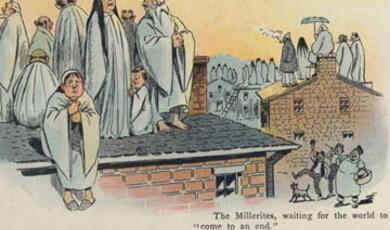
The English Civil Wars of 1642-8 began as the last of Europe’s wars of religion and ended as the first modern revolution. This restless spirit manifested itself in various sects and fellowships, united by a loathing of complacency and hypocrisy, which both supported and undermined the republic.

Edward VII had an instinctive understanding of the human side of monarchy. At home he faced a constitutional crisis when the House of Lords rejected the budget in 1909. The crisis remained unresolved at Edward’s death in 1910.