Gresham College provides outstanding educational talks and videos for the public free of charge. There are over 2,500 videos available on our website. Your support will help us to encourage people's love of learning for many years to come.
An exploration of the concept of the 'good' doctor, and how we can ensure that our doctors are 'good'. This question is crucial at time when morale in the health services appears low and inquiries reveal poor practice by some health care professionals.
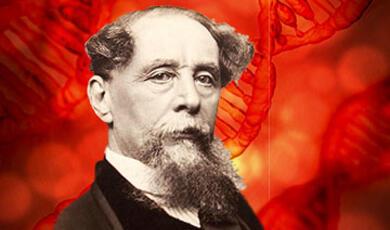
Charles Dickens's expert eye for detail enabled him to describe many medical conditions in his writings. Dickens also suffered with a number of medical conditions which will be discussed in detail during the lecture.
Personal information is understood as the property of individuals, but this way of thinking about information raises questions about the ethics of information sharing, particularly in relation to medical research and the management of risk in healthcare.
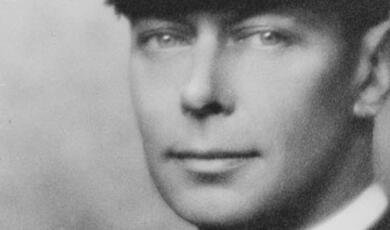
George VI was the unexpected king. His human qualities reinforced the spirit of social solidarity which helped Britain to victory in war and recovery in peace.
Edward VIII reigned for just 325 days. The history of his reign is in large part the history of the abdication. However, as Prince of Wales, Edward had been the first heir to the throne to find a genuine role for himself, as a spokesmen for the ex-service generation.

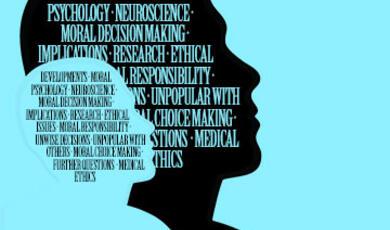
A review of developments in moral psychology over the last two decades, specifically the neuroscience of moral decision-making, and the implications of this research for ethical issues such as moral responsibility. Particularly focus will be given to the capacity to make unwise decisions...
George V’s reign coincided with the fall from power of five emperors, eight kings and eighteen other dynasties. But in Britain the monarchy gained in popular esteem and this helped to preserve parliamentary government in the difficult years between the wars.