
 Login
Login

The Later Years: Organisation, Independence and Peace of Mind
Share

- Details
- Text
- Audio
- Downloads
- Extra Reading
How should we get organised for our later years? With just a little preparation while we are fit and healthy, we can express our wishes for more difficult times. There are simple and positive options to be followed. Not just a will and lasting power of attorney, but simple steps to being independent longer, staying at home longer and enjoying life longer. A little thought now, and hopefully with discussion with family members, will provide reassurance and peace of mind for all.
Download Text

The Later Years: Organisation, Independence and Peace of Mind
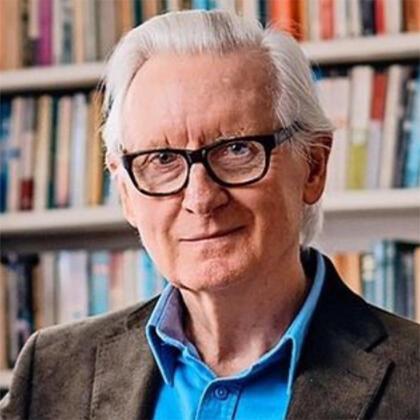
Sir Peter Thornton KC
17 November 2025
Introduction
What’s to be done before death? How should we get organised for our later years? What steps should we take to improve our later years? How do we assist younger or older family members?
With just a little preparation, while we are fit and healthy, we can express our wishes for what may become more difficult times. Mental or physical disability may strike suddenly (a stroke or heart attack) or slowly (dementia or Parkinson’s). But with care and thought we can give a voice to what we would have wished for in healthier times.
That means thinking about the options: not just a will and other formal documents, but also simple, positive steps to being independent longer, staying at home longer and enjoying life longer.
Nearly 1 in 5 of the population of the UK is 65 or over, more than 13 million people. This is a substantial proportion of the population, projected to become 1 in 4 by 2050. But it is not just a number; it is made up of individuals. The purpose of this lecture is therefore to set out the options available for each individual person. We are all different. We see life (and death) in different ways.
The tone of this lecture is intended to be positive, practical and purposeful. Based on the last Census, the over 65s are happier, less anxious and have a greater sense of self-worth than any other age group. We are faring better on many measures of personal, social and financial wellbeing than our younger counterparts. And those still working at 75 (like me) report the greatest job satisfaction of all ages. As Mark Twain said: Age is an issue of mind over matter. If you don’t mind, it doesn’t matter.
Organisation
First, I want to suggest a few steps for better organisation. A will is a must. If there is no will and you die intestate, your wishes for your money and your property will be ignored; the state will decide for you. In addition to a will you should consider lasting powers of attorney (LPAs). There are two of them: health and welfare; property and financial affairs. You may also like to think about an advance decision to refuse treatment (ADRT, sometimes known as a living will). This is a legally binding document which lets you refuse life-sustaining treatment, such as CPR or artificial ventilation, at a time in the future when you have stopped breathing or your heart has stopped beating and you are no longer in a fit state to decide for yourself. Another document, an advance statement, can set out your wishes, for a time when you can no longer express them, for your care, personal treatment, even funeral details.
Details of these options are described in my book The Later Years: The simple guide to organising the rest of your life (Beford Square Publishers, 2025). This lecture is based upon it.
A death file
Second, I suggest you keep a death file. This can be a paper or a digital file and its contents will help your family and loved-ones immeasurably after your death. For those who will be left behind, it will be a difficult time of loss and grieving. And there is much to be done, such as registering the death, informing friends and relatives, notifying banks and insurance companies, contacting government departments, organising the details of the funeral and working towards the grant of probate. But you can help out by being a little more organised for your later years. Put in your death file copies of any documents I have already referred to. Add in all the details you can about your personal life: birth and marriage certificates; NHS number and GP contact details; financial information such as NI and tax reference numbers, bank details, insurance policies; property details; other assets; your wishes (if any) for the funeral. And much more. I set out a full list in my book.
You may also wish to pass on to your family and friends a little memoir. Who you are, your family history, and what you have done in your life.
All of this organisation will help those left behind. It may also give them and you a little peace of mind that it has been done.
Discussion
Third, and perhaps the most difficult of all these suggestions, is a discussion with your close family, those you can trust. If you possibly can, you should have a conversation about the contents of your will (what you have chosen and why) and other wishes expressed in LPAs and other documents.
Health
Fourth, you should think about your health. There are obvious steps you can take to improve your physical, mental and social health. I do not presume to tell you what to do, but research shows that even a little physical activity can help the ageing process and delay cognitive decline. Keeping up mental pursuits, such as learning a foreign language or a musical instrument, even playing bingo or card games, is beneficial.
Surprisingly perhaps, recent studies suggest that social health is of great importance, even more significant than physical or mental health, especially to avoid loneliness. Research has now confirmed what may be obvious that connecting to other people, having good social relationships, can lead to a better, happier life.
Other topics
Fifth, in my lecture and my book, I seek to emphasise the importance of survival and protection. To be in a secure and safe home, with necessary locks and alarms, free from carbon monoxide poisoning.
It is also necessary to be mindful of scams: to be watchful of cold-callers and ever-present tech scams, particularly those that may be targeted towards older persons who are seen to be more vulnerable because of age.
In addition, steps can be taken to stay at home longer. You can adapt your home as appropriate and share it in the right circumstances. You can de-clutter, even downsize to advantage. There may come a stage when you need more help, with visiting or live-in carers, or a move to sheltered or supported accommodation may be beneficial, before moving to a care home becomes necessary.
Charter of Rights
I feel there is a compelling need in this context for a Charter of Rights for Older Persons. I have therefore drafted one: a benchmark guideline with minimum standards for dealing with older persons in the 21st century.
We have the UN Convention for the Rights of a Child, but no Convention, no Charter of rights for older persons (and in England we have no Commissioner for older people).
I see a Charter as a frame of reference for education and training – for hospitals, care homes, banks, supermarkets, so that they provide essential good practice for older persons, based on dignity, respect and self-reliance. So that we have a voice which is heard, not stifled because of age.
I want there to be less ageism, less discrimination. More job opportunities for experienced older workers with expertise. After all the state pension age, currently 66, is likely to rise soon to 67 and then further beyond.
Conclusion
I wish to end on a positive note. The clear expression of your wishes in relevant documents, and family discussion about their contents, may provide much needed reassurance, for you and for those left behind. A little organisation can go a long way.
Looking after yourself and where and how you live may also reap benefits in ageing.
It is true that in youth we sometimes run into difficulties, and in old age difficulties sometimes run into us. But, never mind. As Shirley Bassey put it: You don’t get older, you get better.’
And anyway, it’s not how old you are, but how you are old. Living life as best we can whatever the circumstances – that’s my motto.
© Sir Peter Thornton KC 2025
Part of:
This event was on Mon, 17 Nov 2025
Support Gresham
Gresham College has offered an outstanding education to the public free of charge for over 400 years. Today, Gresham College plays an important role in fostering a love of learning and a greater understanding of ourselves and the world around us. Your donation will help to widen our reach and to broaden our audience, allowing more people to benefit from a high-quality education from some of the brightest minds.