Gresham College provides outstanding educational talks and videos for the public free of charge. There are over 2,500 videos available on our website. Your support will help us to encourage people's love of learning for many years to come.
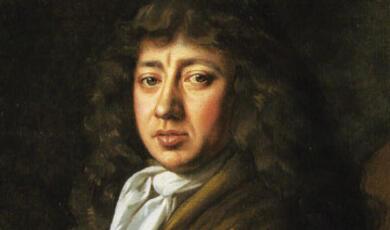
When the most famous diarist in English, Samuel Pepys, accompanied Charles II back to London for the Restoration of the monarchy he was given the task of carrying the king’s guitar. From this moment on, the instrument had a the royal seal of approval.
In 1643 an English landowner, Sir Ralph Verney, fled to France in the depths of the Civil War. He settled in Blois and, while there, amassed a vast archive that is still unpublished. These records provide a wealth of information about the music they played and the guitars they bought.

What kind of people owned a guitar in the London of Elizabeth I and where did they go shopping for one? It is possible to assemble a remarkably full picture of the instrument’s place in the social life and trade and trade of Tudor England.
This opening lecture of the series, with musical illustrations, will use documents, poetry and images to bring the instrument to life, with a particular focus on the autobiography of the beguiling Tudor musician Thomas Whythorne.
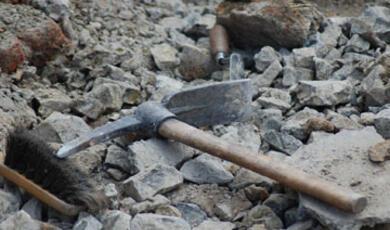
Excavations have recently uncovered much evidence of Roman London, including fragments of 405 waxed stylus writing-tablets that can be dated to AD 50-90. Roger Tomlin explains how he deciphered the tablets and what can be learned from them.
Roman London was founded on the banks of the Thames to take advantage of the tidal river for traffic trade and communications. But precisely where were the bridge and the harbour, and what did they look like?