Gresham College provides outstanding educational talks and videos for the public free of charge. There are over 2,500 videos available on our website. Your support will help us to encourage people's love of learning for many years to come.
For nearly seventy years, what might be called ‘the canon’ of greatest films has been arbitrated by an international poll of critics delivering a ‘ten best’ list every decade, published in the BFI’s Sight & Sound.
Sound investment decisions are critical for our long-term financial future. But psychological biases can lead investors to make costly mistakes – overconfidence can cause them to trade too much, and the reluctance to take a loss can encourage them to throw good money after bad.
The Brothers Grimm’s tale of Snow White has been retold dozens of times in print and the cinema over the past two centuries. A central character is the Evil Queen, Snow White’s malevolent stepmother, who tries to kill her with the help of the occult.
Air pollution, the usefulness of trees, ideas for a green belt are not concerns we associate with the 1600s. But John Evelyn, writer, diarist and gardener, was unusual. His thinking in Fumifugium (1661) about air quality, and Sylva (1664) about trees, seems astonishingly close to our own today.

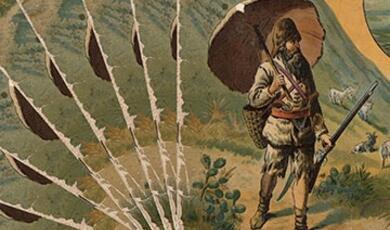
How does fiction make itself seem like fact? Professor John Mullan begins where novels begin: with Defoe’s Robinson Crusoe, which showed every novel that followed how to make a ‘strange surprising’ story seem entirely ‘probable’ (the word that eighteenth-century pioneers of fiction liked t
Psychological studies show that humans overweight tangible factors and underweight intangible ones when making decisions. This talk shows how these biases affect the stock market – it focuses excessively on short-term profit, but ignores environmental, social and governance (ESG) factors.
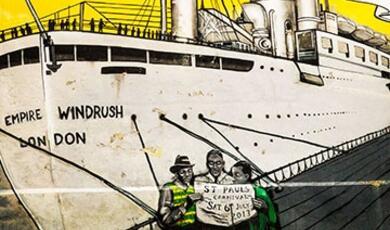
London in the 1950s and 60s was a crucible in which West Indian writers, artists, thinkers and scholars imagined new futures for the Caribbean, Britain and the world.
From The Merchant of Venice to The Taming of the Shrew, it’s easy to see how Shakespeare’s plays can cause offence to contemporary audiences. Is it harder to teach Shakespeare today than in the past? Have ideas about what is offensive in Shakespeare changed over time?