Gresham College provides outstanding educational talks and videos for the public free of charge. There are over 2,500 videos available on our website. Your support will help us to encourage people's love of learning for many years to come.
CEOs make mistakes due to their own psychological biases – but they also profit from the biases of others. Some exploit investors by catering to sentiment – adding “.com” to their name during the Internet bubble or entering “hot” industries to inflate their valuations.
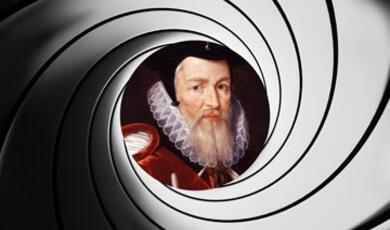
Spying for Queen Elizabeth I was very different from modern-day intelligence services - or was it? This lecture brings together historian Stephen Alford and Sir Richard Dearlove, former head of MI6, and will discuss Tudor spies and the modern-day secret service.
We often think that leaders are particularly strong in decision making – that’s why they’ve made it to the top. But evidence shows that even senior executives are prone to psychological biases, such as overconfidence, groupthink, and applying one-size-fits-all rules.

Sound investment decisions are critical for our long-term financial future. But psychological biases can lead investors to make costly mistakes – overconfidence can cause them to trade too much, and the reluctance to take a loss can encourage them to throw good money after bad.
Psychological studies show that humans overweight tangible factors and underweight intangible ones when making decisions. This talk shows how these biases affect the stock market – it focuses excessively on short-term profit, but ignores environmental, social and governance (ESG) factors.
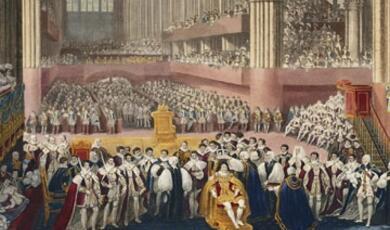
On the 200th anniversary of George IV's accession to the throne, this lecture considers whether or not he had any real impact on the fast-industrialising world around him, and the turbulent political times he lived through.
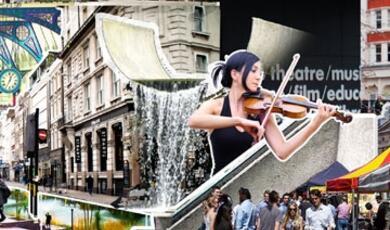
The 2020 Annual Lord Mayor’s Gresham event will explore the value of culture for The City of London. The City of London is not only a great place to do business but also has a rich and vibrant cultural offer making it a great place to live, learn, work and visit.
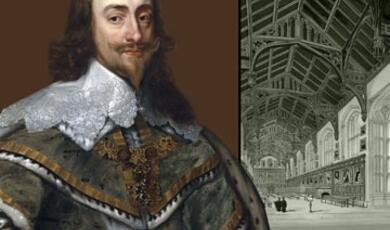
During the Civil War Charles I’s court, denied access to its usual country residences, was forced to set itself up in a series of makeshift locations. The most important of these was Oxford which Charles converted into a large and well-organised courtly campus.