Gresham College provides outstanding educational talks and videos for the public free of charge. There are over 2,500 videos available on our website. Your support will help us to encourage people's love of learning for many years to come.
England’s Catholic Reformation is the reformation that sixteenth-century England nearly had: a reformed and renewed English Catholic Church, its new schools and revived parishes matched with a firm smack of discipline.
In 1920, Nellie Melba’s singing was transmitted to Europe and Newfoundland via the wireless. In 1922 the BBC began broadcasting, and from the outset sponsored new music and relayed outside broadcasts to the nation (and from 1932, to the world).
A family best known for producing one of England’s most famous queen consorts started out owning substantial estates in Norfolk before buying, and inheriting, a series of major houses close to London.
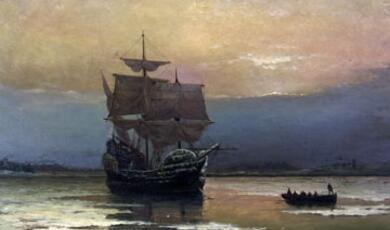
The story of the Mayflower is usually presented as a tale of persecuted Pilgrims crossing the Atlantic in circumstances of grave adversity to inhabit a desolate wilderness.
The COVID-19 pandemic has been devastating. But one silver lining has been the tremendous responses from businesses and individual citizens, as we’ve realised how even small actions can have a substantial effect on society.
Lord Carlile will discuss the effect of Covid-19 on counter terrorism policy, including suggestions that terrorist organisations have taken advantage of the pandemic to increase their influence.
What is the history of populism? Has it ever been a force for good? In this lecture, Sir Richard Evans, Provost of Gresham College, discusses the different varieties of populism.
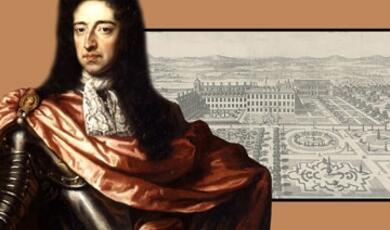
Like James I, King William III was fundamentally unhappy with the stuffy formality of England’s vast crumbling royal estate. But unlike James, who virtually abandoned Edinburgh, William maintained a second court, and a parallel suite of royal houses, in the Netherlands.

This talk will explore the “growth mindset”, the evidence-based view that talents are developed rather than genetic. It provides practical tips on how to develop new skills with limited time, and highlights the importance of pushing yourself outside your comfort zone.
The birth of rational medicine contributed to the scientific revolution which occurred amongst eastern Greek communities in the 7th-to-5th centuries BCE.