Gresham College provides outstanding educational talks and videos for the public free of charge. There are over 2,500 videos available on our website. Your support will help us to encourage people's love of learning for many years to come.
Is there is a level playing field between participants at inquests? What does ‘equality of arms’ mean? Is such a concept appropriate when looking at inquests? Are inquiries better? How have they developed since the IRA Death on The Rock case?
Is the jury system the bulwark of individual liberty? This lecture will look at the role of the so-called “perverse jury” in acquitting defendants where the law, or the charge itself, is deemed unjust.
How do we investigate violent and unexpected deaths at the inquest? Who investigates? When do deaths get referred to the Coroner? Are inquests non-adversarial and inquisitorial? When do you have a jury? What are findings, determinations and conclusions (aka verdicts)? Can you appeal?
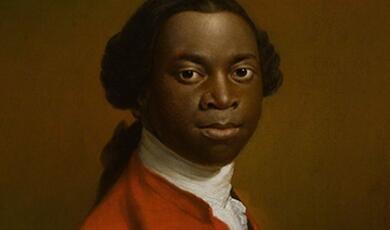
This lecture examines the centuries long presence of the African diaspora as an integral part of Britain’s history since Roman times. Unfortunately, this history is still too often ignored, its promotion limited only to October.
How has lockdown affected the Family Court? Gresham Law Professor Jo Delahunty QC chairs a panel of senior lawyers and journalists discussing the issues faced by family courts and by families during lockdown.
This lecture provides an insider’s brutally honest guide to what it's like to be a self-employed barrister - the highs and lows of the career, the work behind the scenes that makes a difference to outcomes in court, and the art of persuasion in it.
Advances in medicine challenge allow us to sustain life for longer, but at what cost and at whose choice? Why might the court intervene when a devout Jehovah Witness parent refuses a life-saving blood transfer to their child?
How do the different versions reflect the politics and culture of their own particular times? What makes a good Carol movie? Is it truth to the original or is it something else?
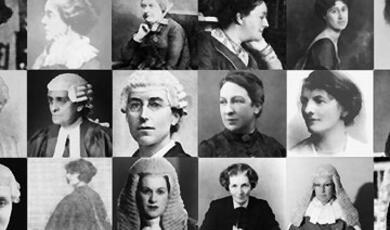
In 2018 the Bar Council and Specialist Bar Associations acknowledged the issue and a “Retention of Women at the Bar’ survey was launched. It’s time to look at the results and test how the legal profession has responded to the challenge.


 Login
Login