Gresham College provides outstanding educational talks and videos for the public free of charge. There are over 2,500 videos available on our website. Your support will help us to encourage people's love of learning for many years to come.
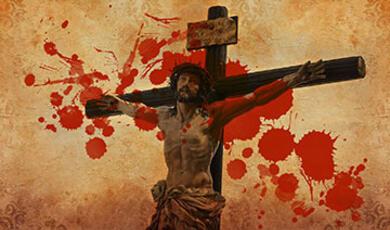
There is a tension between clinical teams and the families of devout Jehovah’s Witnesses. This lecture explores that tension, and considers how we might perform open-heart surgery without blood.
There was a time when old places were valued simply for their beauty and interest, but now this is not enough. Are calculations of the financial contribution of our history adding to the value of our heritage or have they fundamentally devalued it?
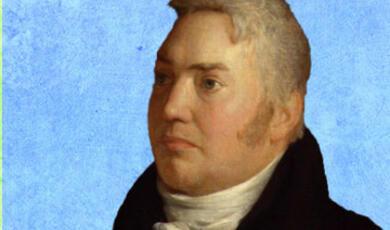
In the line, 'The Western wave was aflame', the 'Western wave' refers to the sea. But is it this simple? What do forms of substitution, synecdoche for example, lend to this magnificent and shadowy poem?
Science and technology creates moral problems in being able to both improve life and destroy it. How might Tolkein's 'Lord of the Rings' offer us reflections on scientific and religious frameworks which enable us to respect nature on the one hand, while transcending its limits on the other?

A celebration of the heart for St Valentine’s Day. How is it that a simple pump has become a symbol of the highest human emotions of love, truth, conscience and moral courage? How have artists represented this? An interdisciplinary presentation.
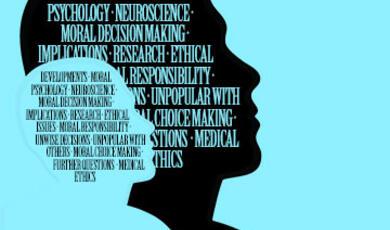
A review of developments in moral psychology over the last two decades, specifically the neuroscience of moral decision-making, and the implications of this research for ethical issues such as moral responsibility. Particularly focus will be given to the capacity to make unwise decisions...
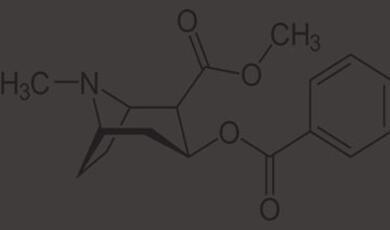
A humorous spin on a fascinating story of the history of anaesthesia: from 1847 and general anaesthesia, fuelled by ether and cocaine, through to today's highly-developed science.
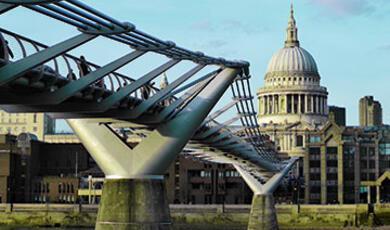
The blight of the concrete municipal buildings of the 1960s and 70s in the historic centres of our cathedral cities is all too familiar. Everyone wants to avoid the same mistakes being made again, but can we reconcile old and new in our historic cities?