Gresham College provides outstanding educational talks and videos for the public free of charge. There are over 2,500 videos available on our website. Your support will help us to encourage people's love of learning for many years to come.
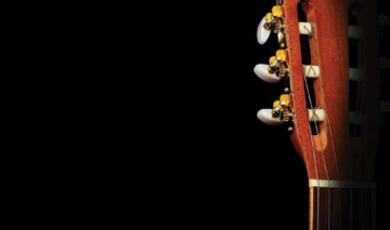
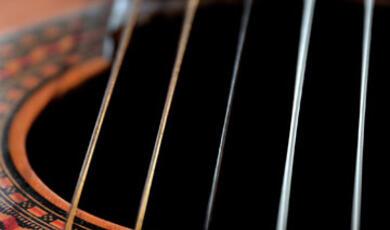
What kind of people owned a guitar in the London of Elizabeth I and where did they go shopping for one? It is possible to assemble a remarkably full picture of the instrument’s place in the social life and trade and trade of Tudor England.
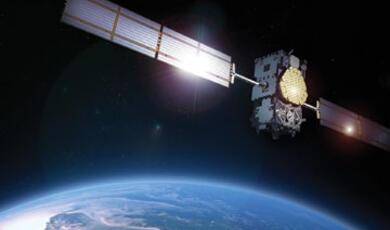
Space science is one of HM Government’s ‘eight great technologies’. In this lecture I will explain the mathematics behind satellites, showing how they are controlled, how they are sent to distant planets and how they transmit and receive data over vast distances.
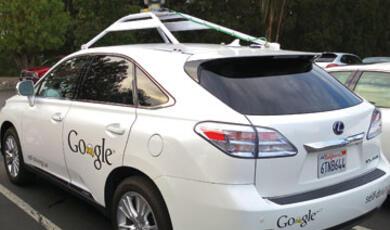
Driverless cars will affect us all profoundly. They will save many lives, destroy many livelihoods and change our behaviour in unexpected ways. What are the barriers to achieving the benefits of this new technology and how can they be overcome?
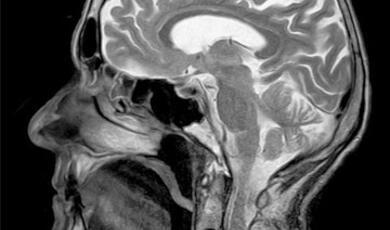
Many of us have been in a medical scanner and benefited from its use in medical diagnostics. But how many of us have considered how it works? The maths behind modern medical imaging (showing how CAT, MRI and Ultrasound scanners work) will be explained.
This opening lecture of the series, with musical illustrations, will use documents, poetry and images to bring the instrument to life, with a particular focus on the autobiography of the beguiling Tudor musician Thomas Whythorne.
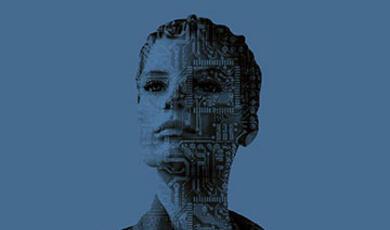
Alan Turing famously proposed a test of artificial intelligence. What has been achieved? Stephen Hawking has said that real artificial intelligence will mean the end of mankind. Is that a real threat? Are there limits to what a silicon brain might do?
As year 2000, 'Y2K', approached, many feared that computer programs would cause problems. There is a widespread belief that the millennium bug was a myth, invented by rapacious consultants as a way to make money. What was the truth? What, if anything, happened? Have we learnt all the right lessons?

In the long run, in an Internet society, it is claimed, we will neither need nor want doctors, teachers, accountants, architects, the clergy, consultants, lawyers, and many others, to work as they did in the 20th century. - Is this true?