Gresham College provides outstanding educational talks and videos for the public free of charge. There are over 2,500 videos available on our website. Your support will help us to encourage people's love of learning for many years to come.
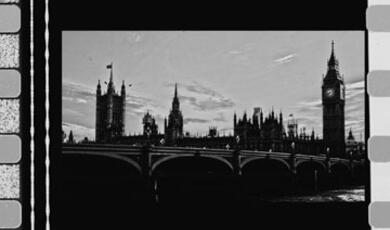
The earliest London-made films showed the Victorian city doing everyday business, before its fictional screen image became increasingly shadowy and sinister.
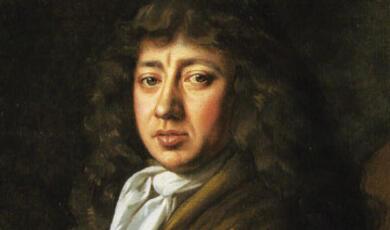
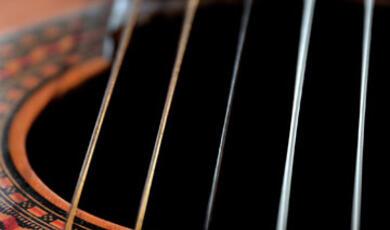
When the most famous diarist in English, Samuel Pepys, accompanied Charles II back to London for the Restoration of the monarchy he was given the task of carrying the king’s guitar. From this moment on, the instrument had a the royal seal of approval.
In 1643 an English landowner, Sir Ralph Verney, fled to France in the depths of the Civil War. He settled in Blois and, while there, amassed a vast archive that is still unpublished. These records provide a wealth of information about the music they played and the guitars they bought.

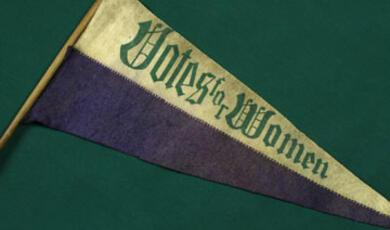
The campaign to achieve the parliamentary vote for women (6 February 1918) took 52 years, from 1866 to 1918. During that time women and their male supporters employed both parliamentary and extra-parliamentary tactics, ranging from the presentation of petitions to the detonation of bombs.
What kind of people owned a guitar in the London of Elizabeth I and where did they go shopping for one? It is possible to assemble a remarkably full picture of the instrument’s place in the social life and trade and trade of Tudor England.
This opening lecture of the series, with musical illustrations, will use documents, poetry and images to bring the instrument to life, with a particular focus on the autobiography of the beguiling Tudor musician Thomas Whythorne.
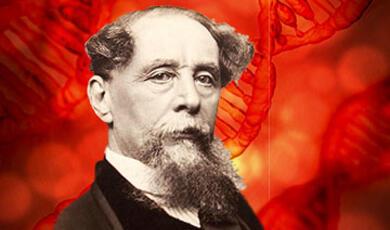
Charles Dickens's expert eye for detail enabled him to describe many medical conditions in his writings. Dickens also suffered with a number of medical conditions which will be discussed in detail during the lecture.