Gresham College provides outstanding educational talks and videos for the public free of charge. There are over 2,500 videos available on our website. Your support will help us to encourage people's love of learning for many years to come.
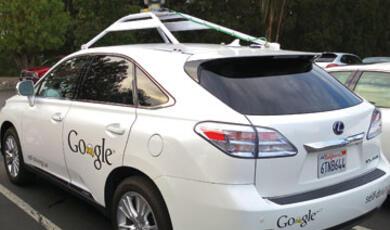
Driverless cars will affect us all profoundly. They will save many lives, destroy many livelihoods and change our behaviour in unexpected ways. What are the barriers to achieving the benefits of this new technology and how can they be overcome?
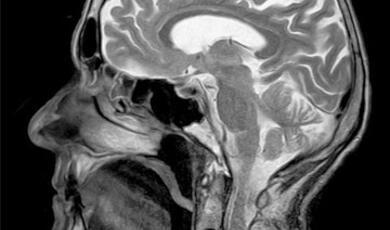
Many of us have been in a medical scanner and benefited from its use in medical diagnostics. But how many of us have considered how it works? The maths behind modern medical imaging (showing how CAT, MRI and Ultrasound scanners work) will be explained.
Pain forces sufferers to ‘pay attention’ to their bodies. The way people-in-pain communicate their suffering has a profound effect on the type and quality of care they receive.
An exploration of the concept of the 'good' doctor, and how we can ensure that our doctors are 'good'. This question is crucial at time when morale in the health services appears low and inquiries reveal poor practice by some health care professionals.
Alan Turing famously proposed a test of artificial intelligence. What has been achieved? Stephen Hawking has said that real artificial intelligence will mean the end of mankind. Is that a real threat? Are there limits to what a silicon brain might do?
Personal information is understood as the property of individuals, but this way of thinking about information raises questions about the ethics of information sharing, particularly in relation to medical research and the management of risk in healthcare.
As year 2000, 'Y2K', approached, many feared that computer programs would cause problems. There is a widespread belief that the millennium bug was a myth, invented by rapacious consultants as a way to make money. What was the truth? What, if anything, happened? Have we learnt all the right lessons?

In the long run, in an Internet society, it is claimed, we will neither need nor want doctors, teachers, accountants, architects, the clergy, consultants, lawyers, and many others, to work as they did in the 20th century. - Is this true?
A review of developments in moral psychology over the last two decades, specifically the neuroscience of moral decision-making, and the implications of this research for ethical issues such as moral responsibility. Particularly focus will be given to the capacity to make unwise decisions...