Gresham College provides outstanding educational talks and videos for the public free of charge. There are over 2,500 videos available on our website. Your support will help us to encourage people's love of learning for many years to come.
Cynicism, Stoicism and Epicureanism, emerged shortly after Platonism and Aristotelianism in Ancient Greece. Each of these new schools of philosophy offered a moral programme advocating the best way to live and a more abstract physical, scientific model of the workings of the universe.
The nature of investment is changing to better reflect the ecosystem of the planet we live on. The days of fossil fuel are numbered by the move to renewable energy. Resources and a healthy environment are finally being seen as core to our future.
CEOs make mistakes due to their own psychological biases – but they also profit from the biases of others. Some exploit investors by catering to sentiment – adding “.com” to their name during the Internet bubble or entering “hot” industries to inflate their valuations.
Gresham’s Professor of Law Jo Delahunty will explore what the future holds for the next generation of barristers: will they better reflect the society they serve in terms of background, ethnicity and gender? Is privilege and income as much of a division at The Bar as it is in society?
We often think that leaders are particularly strong in decision making – that’s why they’ve made it to the top. But evidence shows that even senior executives are prone to psychological biases, such as overconfidence, groupthink, and applying one-size-fits-all rules.

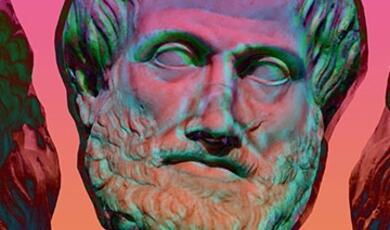
Plato’s most brilliant student and perhaps the most significant intellectual in world history, Aristotle built on Plato’s doctrines but also radically disagreed with them.
The Rt. Hon The Lord Mayor William Russell, President of Gresham College, will be convening a panel on a subject of topical interest. Please check the website for details of the event closer to the time.
Sound investment decisions are critical for our long-term financial future. But psychological biases can lead investors to make costly mistakes – overconfidence can cause them to trade too much, and the reluctance to take a loss can encourage them to throw good money after bad.