Gresham College provides outstanding educational talks and videos for the public free of charge. There are over 2,500 videos available on our website. Your support will help us to encourage people's love of learning for many years to come.
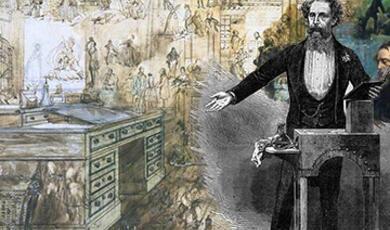
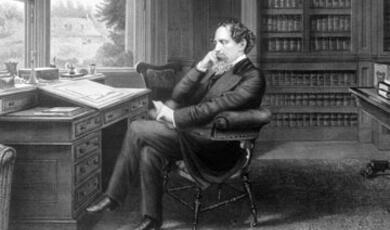
In the last ten years of his life Charles Dickens related to his adoring public in a number of different ways; as novelist, as journalist, as public speaker, and in public readings of his own work.
We often think that leaders are particularly strong in decision making – that’s why they’ve made it to the top. But evidence shows that even senior executives are prone to psychological biases, such as overconfidence, groupthink, and applying one-size-fits-all rules.

Sound investment decisions are critical for our long-term financial future. But psychological biases can lead investors to make costly mistakes – overconfidence can cause them to trade too much, and the reluctance to take a loss can encourage them to throw good money after bad.
Psychological studies show that humans overweight tangible factors and underweight intangible ones when making decisions. This talk shows how these biases affect the stock market – it focuses excessively on short-term profit, but ignores environmental, social and governance (ESG) factors.
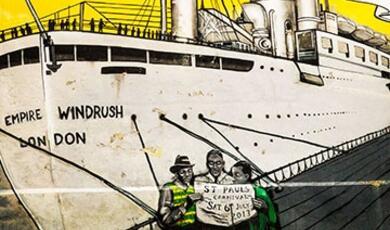
London in the 1950s and 60s was a crucible in which West Indian writers, artists, thinkers and scholars imagined new futures for the Caribbean, Britain and the world.
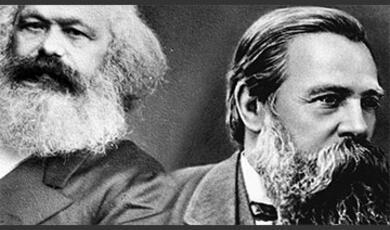
On the 200th anniversary of the birth of Friedrich Engels, his biographer Tristram Hunt looks at how both Engels and Karl Marx were deeply affected by their time in London in the second half of the 19th century.