Gresham College provides outstanding educational talks and videos for the public free of charge. There are over 2,500 videos available on our website. Your support will help us to encourage people's love of learning for many years to come.
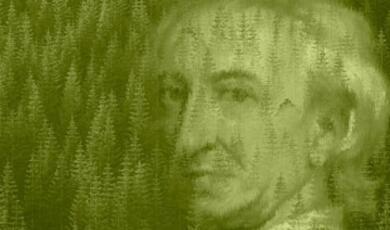
Air pollution, the usefulness of trees, ideas for a green belt are not concerns we associate with the 1600s. But John Evelyn, writer, diarist and gardener, was unusual. His thinking in Fumifugium (1661) about air quality, and Sylva (1664) about trees, seems astonishingly close to our own today.

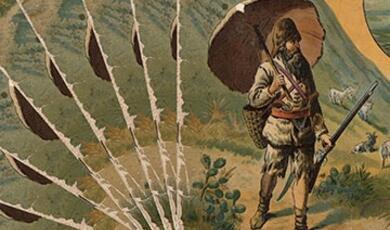
How does fiction make itself seem like fact? Professor John Mullan begins where novels begin: with Defoe’s Robinson Crusoe, which showed every novel that followed how to make a ‘strange surprising’ story seem entirely ‘probable’ (the word that eighteenth-century pioneers of fiction liked t
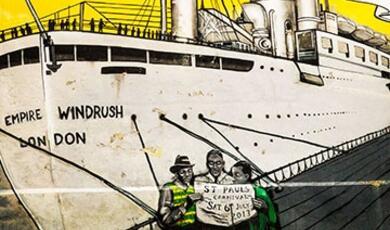
London in the 1950s and 60s was a crucible in which West Indian writers, artists, thinkers and scholars imagined new futures for the Caribbean, Britain and the world.
Traditionally a lawyer’s own views and political affiliation are irrelevant to the pursuit of the legal process. This lecture will examine – and celebrate – the work of lawyers who have crossed the usual lines and worked for political change.
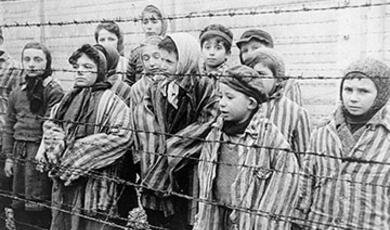
2020 marks the 25th anniversary of the Srebrenica massacre and the Dayton Accords resolution of the first two (Croatia and Bosnia) of the three Balkan wars of the 1990s.
From The Merchant of Venice to The Taming of the Shrew, it’s easy to see how Shakespeare’s plays can cause offence to contemporary audiences. Is it harder to teach Shakespeare today than in the past? Have ideas about what is offensive in Shakespeare changed over time?
In 1920, Nellie Melba’s singing was transmitted to Europe and Newfoundland via the wireless. In 1922 the BBC began broadcasting, and from the outset sponsored new music and relayed outside broadcasts to the nation (and from 1932, to the world).
The lecture will show how Prohibition animated combatants on both sides, generating two Americas that were barely comprehensible to each other, and how the truce declared during depression and war would not last.