Gresham College provides outstanding educational talks and videos for the public free of charge. There are over 2,500 videos available on our website. Your support will help us to encourage people's love of learning for many years to come.
South Africa’s Dutch Reformed Church (DRC) and the Afrikaner people it served had, since the 17th century drawn a distinction between white ‘Christians’ and the apparently unconvertible ‘heathen’ peoples around them. Theology legitimised apartheid, but was also instrumental in its end.
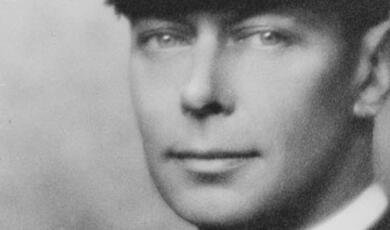
George VI was the unexpected king. His human qualities reinforced the spirit of social solidarity which helped Britain to victory in war and recovery in peace.
Can we give a purely scientific account of human nature in terms of its physical, chemical and biological components. Richard Dawnkins' 'The Selfish Gene' is considered to see how a scientific narrative about selfish genes might correlate with a theological narrative about sin.
Edward VIII reigned for just 325 days. The history of his reign is in large part the history of the abdication. However, as Prince of Wales, Edward had been the first heir to the throne to find a genuine role for himself, as a spokesmen for the ex-service generation.

An exploration of how so many Christians came to support Nazism, and how some managed to oppose it: from the dejudaised Christianity of the ‘German Christian’ movement, to illicit collaboration of the supposedly anti-Nazi 'Confessing Church'.
Science and technology creates moral problems in being able to both improve life and destroy it. How might Tolkein's 'Lord of the Rings' offer us reflections on scientific and religious frameworks which enable us to respect nature on the one hand, while transcending its limits on the other?
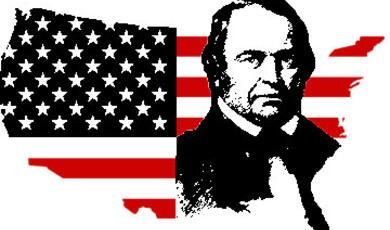
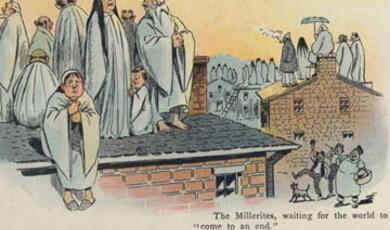
The USA in the early 19th century was one of Christian history’s great moments of sectarian creativity. The most notorious such movement, the Millerites, forecast the end of the world for 1844. What happened with the resultant ‘Great Disappointment’?